
Overview
Oil and gas facilities, chemical processing plants, and other hazardous environments present extreme challenges for electronic displays — exposure to corrosive chemicals, high-pressure washdowns, explosive atmospheres, and wide temperature swings. AplusLCD hazardous-environment displays are purpose-built with stainless steel enclosures, full IP65 sealing, and design features that support ATEX and IECEx compliance for Zone 1 and Zone 2 classified areas. Engineered for offshore platform and refinery duty, our hazardous-environment displays are built for the salt spray, chemical washdown and temperature extremes of the world's most demanding industrial settings.
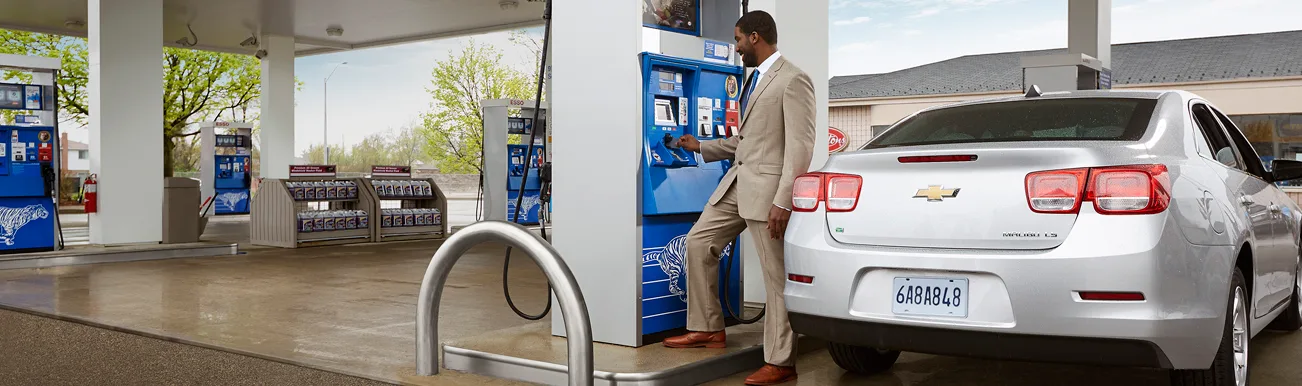
Common Oil & Gas / Hazardous Environments Display Problems — and How We Specify Around Them
What we specify: Specify 316L stainless steel for the enclosure, bezel and external fasteners, with conformally coated electronics inside. Move to duplex 2205 stainless for the most aggressive chloride environments — this is a material decision, not a coating one.
What we specify: Full IP65 sealing — dust-tight and immersion-proof — with cable glands and gasket material matched to the enclosure rating. We recommend annual inspection of glands and gaskets; it is the only routine maintenance these units need.
What we specify: Engineer to a stated protection concept: Ex d flameproof or Ex e increased safety, with certified cable entry devices and intrinsically safe touch interfaces where required. Final certification is obtained with your notified body for the specific installation.
What we specify: 1500-3000 NITS with optical bonding and anti-reflective cover glass for outdoor control stations; indoor control rooms only need 300-500 NITS, so do not pay for brightness you will not use.
What we specify: Specify for minimal maintenance: sealed construction that needs no internal service for 5+ years, freshwater rinse for salt deposits, and a long-lifecycle supply commitment so the replacement unit matches the one being taken out.
Corrosion-Resistant Construction
Standard industrial displays deteriorate rapidly when exposed to hydrogen sulfide (H₂S), salt spray, and chemical vapors common in oil and gas facilities. Our hazardous-environment displays feature 316L stainless steel enclosures that resist pitting and crevice corrosion in chloride-rich environments. All external fasteners are stainless steel, and cable glands are nickel-plated brass or stainless steel with ingress protection matched to the enclosure rating.
IP65 Fully Sealed Design
IP65 rating means complete protection against dust ingress and immersion in water up to 1 meter depth for 30 minutes. This level of sealing is essential for offshore platforms where saltwater spray and occasional wave wash are constant threats. The sealed design also enables high-pressure freshwater washdown cleaning without risk of water damage — critical for hygiene and contamination control in chemical processing areas.
Hazardous Area Compliance
For ATEX Zone 1 and Zone 2 hazardous areas where flammable gases or dust may be present, our displays are engineered to a stated explosion-protection concept — flameproof (Ex d) or increased safety (Ex e) enclosure design, intrinsically safe touch interfaces where required, and certified cable entry devices rated for the specific zone classification. We work with your hazardous area classification team to specify the correct protection method and to prepare the documentation your notified body reviews. Certification itself applies to the complete installation, so it is issued by your notified body rather than claimed by us as a component supplier.
Selection Parameters — What to Specify for Oil & Gas / Hazardous Environments
| Parameter | Specification |
|---|---|
| Screen Size | 10.4" to 32" 10.4"-19" for field operator stations; 21.5"-32" for control-room and platform HMI positions. |
| Enclosure Material | Metal Case Specify 316L stainless for chloride and H₂S exposure; duplex 2205 for the most aggressive environments. Painted aluminium is not a hazardous-area material. |
| Ingress Protection | IP65 (Water-proof, Explosion-proof) IP65 is the floor for offshore and washdown; match cable glands and gasket material to the same rating or the enclosure is the weak link. |
| Operating Temperature | -20°C to +70°C Covers most refinery and platform positions; confirm the actual ambient range at the installation point before ordering. |
| Brightness | 300 to 3000 NITS 300-500 NITS indoors, 1500-3000 NITS with optical bonding for open deck and desert installations. |
| Hazardous Area | Ex d / Ex e design basis (Zone 1 & 2) We build to the protection concept and supply the documentation. ATEX / IECEx certification applies to the installation, so it is issued by your notified body — not by a component supplier. |
| Protection Concept | Ex d (flameproof) / Ex e (increased safety) State the concept on the enquiry — Ex d and Ex e lead to different enclosure designs and different cable entry devices. |
Which AplusLCD Display Fits Your Oil & Gas / Hazardous Environments Project?
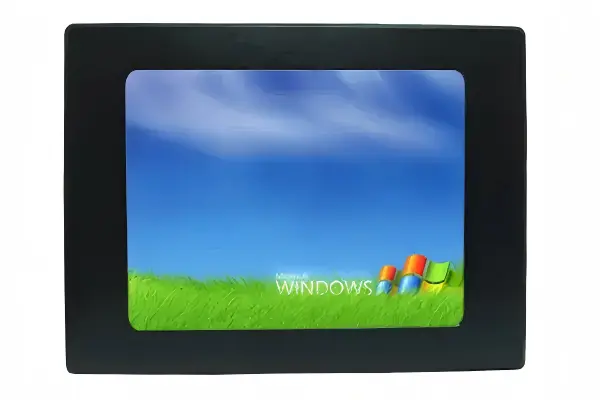
8.4" to 24" front-sealed bezel in aluminium or 316L stainless — the standard refinery and platform operator interface.
View models & specifications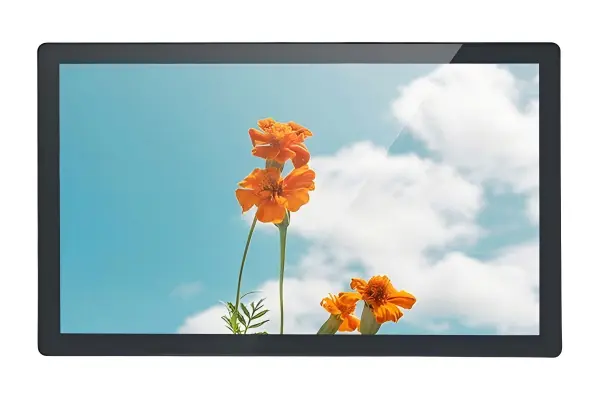
800-3000 nits with optical bonding for control stations sitting in direct sun on deck.
View models & specifications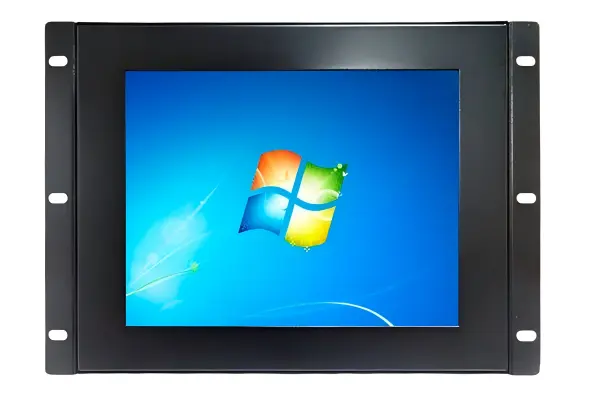
8.4" to 23.8" in a 19" rack form factor for LNG terminal and refinery control rooms.
View models & specifications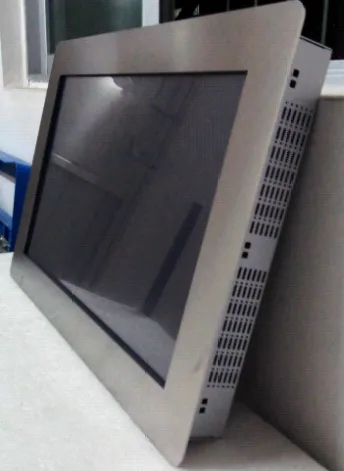
Flameproof and increased-safety builds engineered to your zone classification, with the documentation path agreed with your notified body.
View models & specificationsThe technology guides behind these specifications
Not sure which of these fits your oil & gas / hazardous environments project? Send size, brightness, mounting method and site environment — our engineers return a configured quotation with pricing and lead time within 24–48 hours.
Request a QuoteApplications
Related Industry Applications
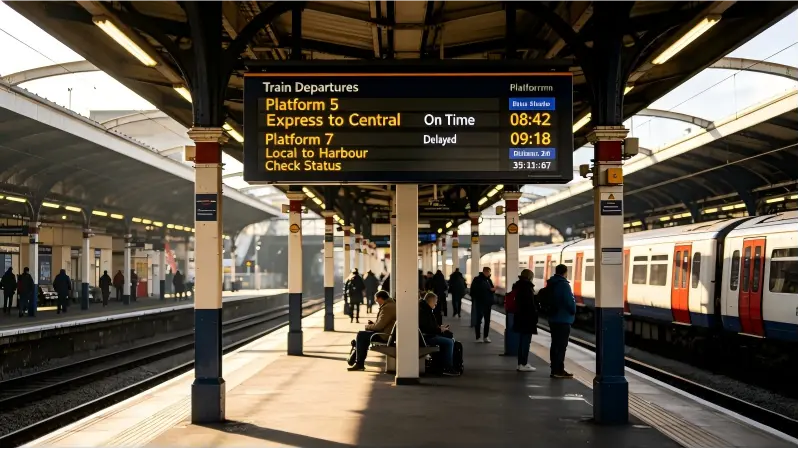
Rugged, wide-temperature displays engineered for railways, buses, marine vessels, aircraft and vehicle-mounted applications. Built to withstand shock, vibration and extreme temperatures.
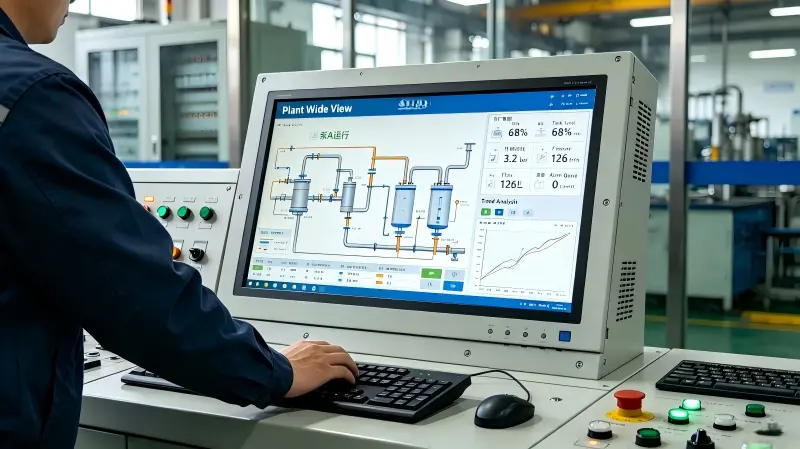
Precision HMI displays for factory automation, machine control panels, process monitoring stations and industrial SCADA systems. Panel mount, rack mount and open frame options available.
Frequently Asked Questions
Are your displays ATEX certified for Zone 1 hazardous areas?
We build to a stated protection concept — Ex d (flameproof) or Ex e (increased safety) — for Zone 1 and Zone 2 classified areas, and supply the construction and test documentation your notified body reviews. ATEX / IECEx certification applies to the complete installation rather than to the display on its own, so it is issued with your notified body for that specific installation. Send us your zone classification and we will confirm the protection concept and the documentation path.
What materials are used for corrosion resistance in offshore environments?
Our offshore-grade displays use 316L stainless steel enclosures for superior resistance to chloride-induced pitting. Internal components feature conformal coating, and all external hardware is stainless steel. We can also provide duplex stainless steel (2205) for the most aggressive environments.
Can you provide displays for ATEX Zone 0 continuous-explosive-atmosphere environments?
Zone 0 imposes extreme design constraints requiring intrinsically safe (Ex ia) protection at the component level. We can engineer intrinsically safe display solutions for Zone 0 upon request, though most hazardous-area display requirements fall under Zone 1 or Zone 2. Contact our engineering team with your zone classification and we will propose the appropriate protection method and certification path.
What routine maintenance do your offshore and refinery displays require?
Our IP65 stainless steel displays are engineered for minimal maintenance. We recommend annual inspection of cable glands and enclosure gaskets, regular cleaning with fresh water to remove salt deposits, and periodic verification of enclosure seal integrity. No internal maintenance is required for 5+ years under normal operating conditions, significantly reducing total cost of ownership in remote offshore locations.
Can we review a sample unit before committing to a hazardous area order?
Yes — there is no MOQ for standard products; MOQ 3 pcs for custom products. Hazardous-area programmes usually start with a project evaluation batch for your safety team and notified body to review the construction, gland arrangement and documentation before the site order is placed. Send the zone classification and we will propose the protection concept first.
What do you need to quote a hazardous environment display?
The zone classification, the enclosure material you need (316L or duplex stainless), screen size, brightness target, ambient temperature range and the cable entry arrangement. With those six items our engineers confirm the protection concept and quote both the sample and the production unit.