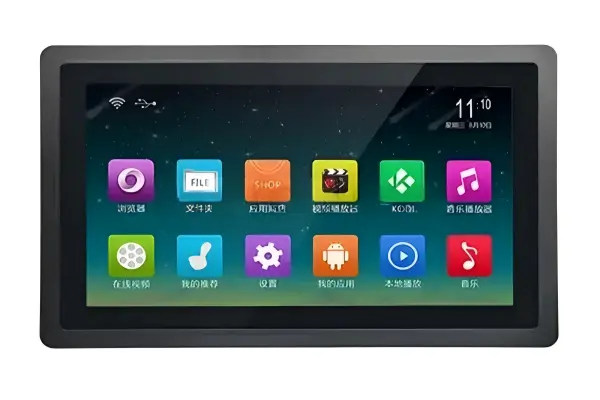
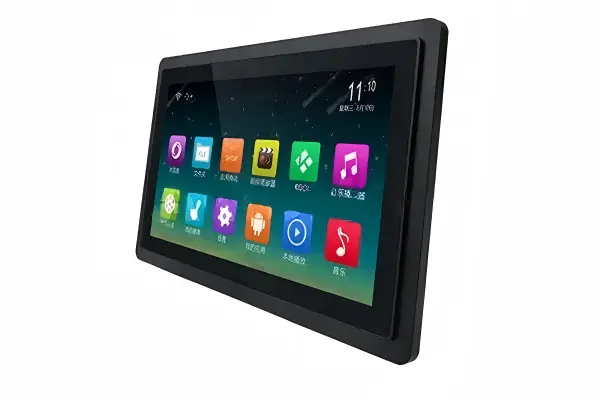
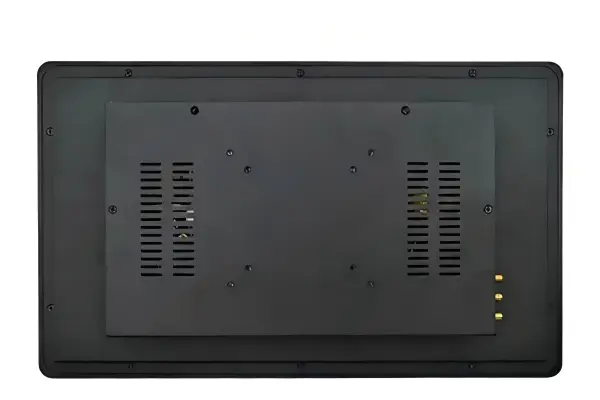
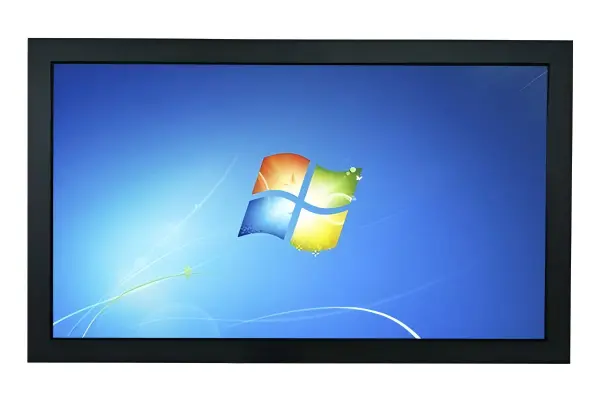
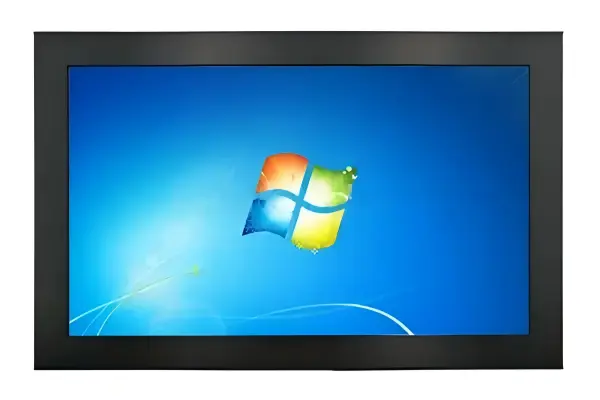
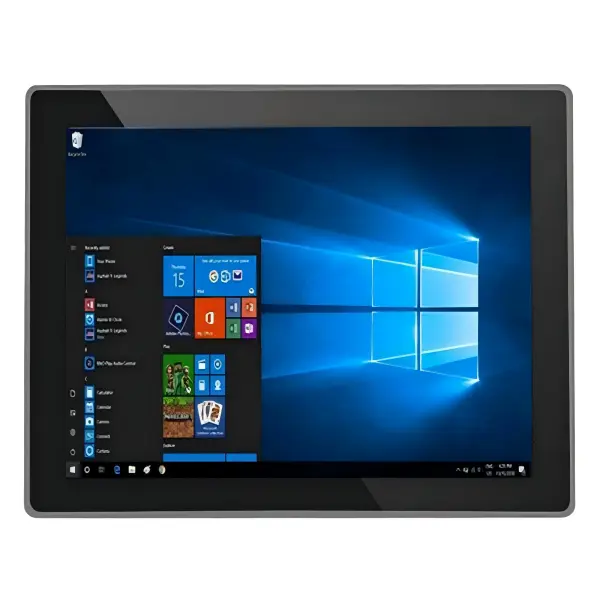
All-in-one Android LCD display with integrated panel PC. Rockchip RK3566/3568/3399/3572/3576/3588 quad-core processor, perfect for kiosks and digital signage.
2 Models Available
VIEW DETAILS
Spec Comparison — Android LCD Display Series
Size, brightness, resolution, touch, protection and interface — every series in this category, side by side.
Values shown are the range covered by each series. Exact parameters per model are listed on the series page.
Selection Guide
Not sure which Android LCD Display fits your machine?
Compare brightness, mounting and interface in 3 minutes — or send us the size, quantity and your enclosure drawing and we will confirm the right model within 24–48 hours.
AplusLCD Android LCD Displays combine an LCD panel, PCAP 10-point multi-touch, and a powerful Android computing platform into a single all-in-one device. Powered by the Rockchip RK3566/3568/3399/3572/3576/3588 quad-core processor family with 2/8/16/32GB RAM and 16/32/64/128GB ROM, running Android 9/11/13/14/16.0, they eliminate external computers, separate touch overlays, and complex cable management. Available from 7" to 65" with optional WiFi and Bluetooth for cloud-based content management, they support rapid app development with the standard Android SDK — no proprietary tools or vendor lock-in.
Built for business and industry — not a consumer tablet
These are industrial Android LCD displays and Android panel PCs supplied to OEMs, integrators and business buyers for unattended, continuous-duty use: self-service kiosks, digital signage networks, retail POS and price checkers, factory HMI stations, and lobby or wayfinding terminals. They are not consumer tablets. An industrial Android display is specified for 24/7 duty on a long-lifecycle hardware platform rather than a 12-18 month retail model cycle, mounts into an enclosure, VESA arm or panel cutout instead of sitting on a desk, and can be ordered with a sealed front bezel, tempered or vandal-resistant cover glass, and wide-temperature or high-brightness panel options. Business peripherals connect through Gigabit Ethernet, USB 2.0, HDMI output and an optional RS-232 port. Each unit ships with your Android image, launcher and APK preloaded, so it boots straight into your application. Orders are factory-direct and project-based — project evaluation samples for integration testing, then pilot and volume runs, with no MOQ for standard products; MOQ 3 pcs for custom products.
Why all-in-one beats a monitor plus a mini PC
A kiosk built from separate components needs a display, a touch overlay, a PC stick, a power supply for each, and someone to mount, cable, and debug all of them at the deployment site. An all-in-one Android display ships as a single unit — the screen, touch, and computer share one enclosure, one power input, and one cable to the outside world. Fewer components mean fewer failure points, lower integration labour, and a thinner, cleaner design that fits inside tight kiosk cabinets. The operating system and the display are also engineered together: the controller turns the panel on and off with the Android boot cycle, so the kiosk presents a clean on/off behaviour instead of a stray BIOS splash screen.
Match the hardware to application depth
Basic signage and menu playback — a Rockchip RK3566 unit with 2GB RAM on Android 9 or 11 is ample and cost-effective
Multitouch applications, video-heavy content, or several peripherals — step up through the RK3568/RK3399 tiers to the RK3576/RK3588 with 8-32GB RAM and Android 13/14/16.0 builds for headroom
Screen size follows the use case: 7"-10" suits countertop POS and door intercoms, 15.6"-21.5" covers most interactive kiosks and digital signage, and 32"-65" is used for lobby directories, wayfinding walls, and self-service check-in. Confirm the environment first — a window-facing kiosk needs a high-brightness panel option, while indoor units run comfortably at standard luminance.
Deployment advantages of the integrated format
An Android display runs the kiosk application locally from ROM, pulls content from a cloud CMS over WiFi or Ethernet, connects peripherals through USB or an optional RS-232 port, and wakes and sleeps on a schedule. Applications are developed with the standard Android SDK, sideloaded as APKs, and updated remotely — no proprietary framework locks you in. Because AplusLCD is the manufacturer, we provision the OS build, boot animation, launcher, and preloaded apps before shipping, so a field technician powers on the unit and it boots straight into your application.
Key Selection Factors
What usually decides the configuration for android lcd display projects
LCD display + PCAP touch + Android computing in one device — reduces integration cost and complexity
PCAP 10-Point Touch
Projected capacitive multi-touch with responsive gesture support for intuitive user interaction
Standard Android OS
Familiar Android ecosystem — develop apps with standard Android SDK, no proprietary tools needed
Optional WiFi / Bluetooth
Wireless connectivity options for cloud-managed content updates and peripheral connections
Compact Design
All-in-one form factor saves space, simplifies installation, and reduces cable clutter
Industry Applications
Where android lcd display are deployed
Self-Service Kiosk
All-in-one Android display with integrated computing for ticketing, check-in, and information kiosks
Digital Signage
Android OS with optional WiFi for cloud-managed digital signage content distribution
Retail & POS
PCAP touch Android display for interactive product catalogs, price checkers, and retail kiosks
Information Terminal
Standalone Android-powered information display without external PC — ideal for lobbies and waiting areas
Interactive Display
Quad-core CPU with 10-point touch for responsive interactive experiences in public spaces
OEM/ODM Android LCD Display Manufacturer
AplusLCD manufactures all-in-one Android displays as a factory, not a trading house, so a kiosk or signage programme can be specified at board level instead of being limited to stock SKUs. Our engineers select the Rockchip platform, RAM and storage configuration, touch controller, panel brightness, and Android version as one integrated design, then provision each unit with your launcher, boot animation, and preloaded application before it leaves the factory. The result is a display that boots into your software and behaves like a purpose-built kiosk terminal from the moment it is powered on in the field.
Android display programmes typically start with a software compatibility sample: we supply a standard-product sample or a custom batch of at least 3 pcs configured with your APK or CMS profile so your developer can verify drivers, peripheral handshaking, and long-run stability on the real hardware. After approval the programme scales from pilot runs into thousands of units, with private-label branding, custom enclosure colours, optional WiFi/BT or RS-232 peripheral ports, and OS image management handled under one purchase order with transparent lead times.
Rockchip RK3566/3568/3399/3572/3576/3588 with 2-32GB RAM and 16-128GB ROM
Android 9/11/13/14/16.0 with custom launcher, boot animation, and preloaded APKs
7" to 65" panels with optional high-brightness for window-facing installs
PCAP 10-point touch integrated during production, plus optional RS-232 peripherals
WiFi/Bluetooth, Ethernet, and CMS-ready network management configurations
Software validation sample with a 5-10 day lead time
AplusLCD Android LCD Displays ship with Android 9/11/13/14/16.0 depending on the model and processor. Custom Android versions can be loaded upon request.
Can I install custom Android apps?
Yes. Standard Android APK installation is supported. You can develop apps using the standard Android SDK and deploy them directly to the device. Sideloading is enabled, and Google Play services can be added upon request.
What connectivity options are available?
Standard I/O includes USB 2.0, HDMI output, Gigabit Ethernet, and audio jack. Optional WiFi (802.11 b/g/n) and Bluetooth 4.0 modules are available. RS-232 COM port can be added for industrial peripheral integration.
How does the Android display differ from the Intel Panel PC?
The Android LCD Display uses an ARM-based Rockchip processor (RK3566 series) with Android OS — ideal for kiosk apps, digital signage, and cost-sensitive deployments. The Intel Panel PC uses x86 processors with Windows OS — better for industrial software (SCADA, MES), legacy Windows applications, and heavy computational workloads.
Need a Custom Android LCD Display Solution?
Tell us your requirements — size, brightness, touch type, mounting, and quantity.
Our engineering team provides a tailored proposal — within 24–48 hours. Standard: no MOQ; custom: MOQ 3 pcs.